Most teething advice assumes a baby can hold a teether. Before 5–6 months, they can't. Here's what actually works during the pre-grasp teething window — and why a worn silicone mitten solves a problem conventional teethers can't.
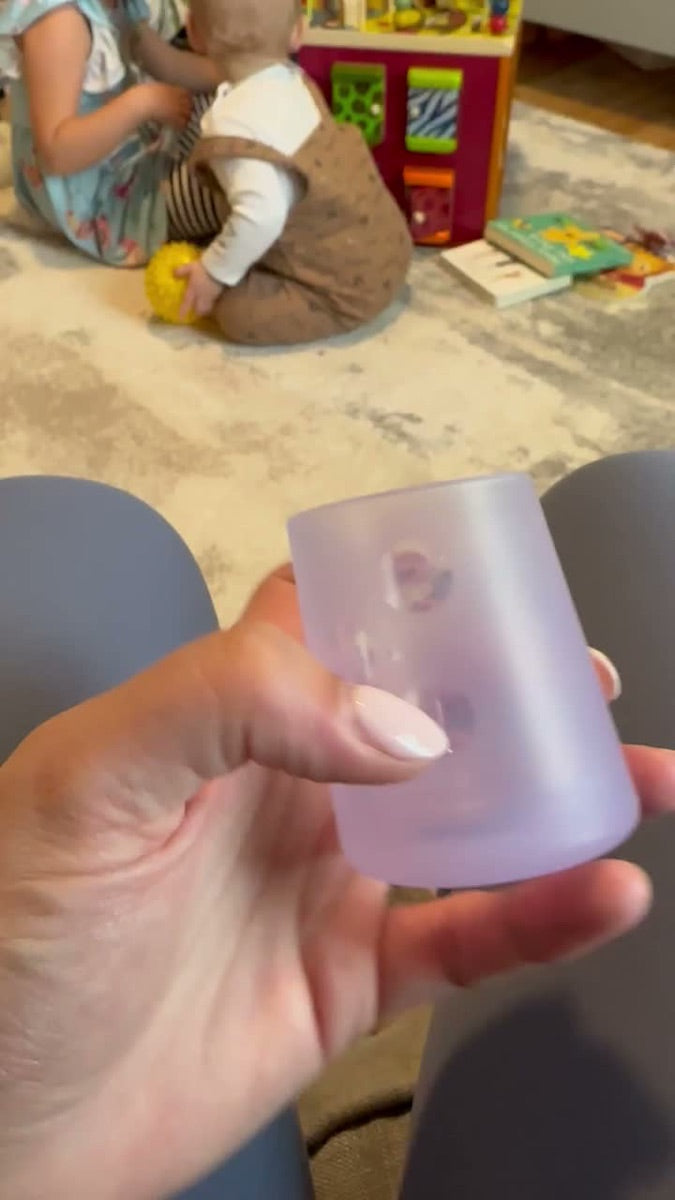
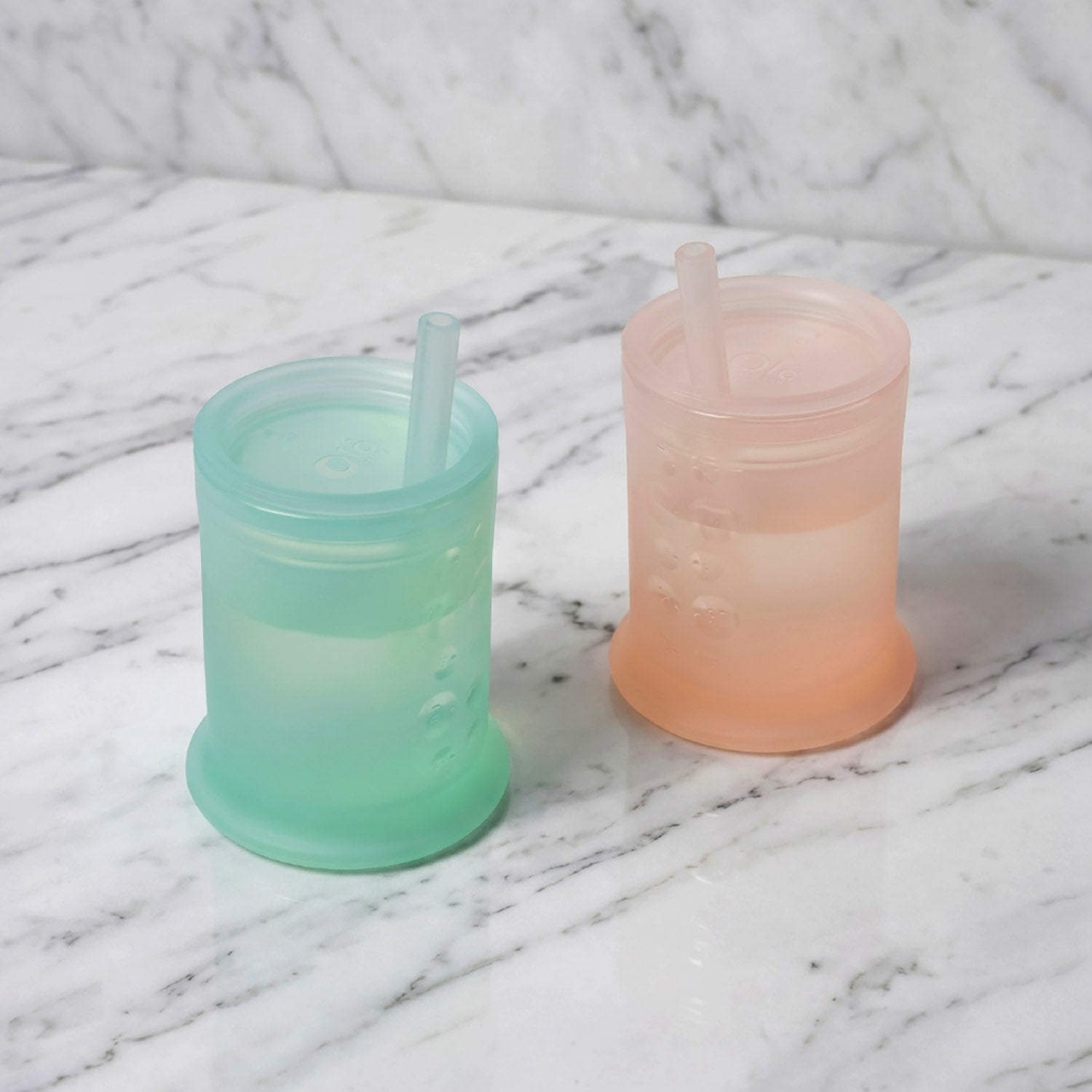
A small, weighted, soft-rimmed cup is what makes open-cup practice work at 6 months — here's why size and stability matter more than any other feature at this stage.
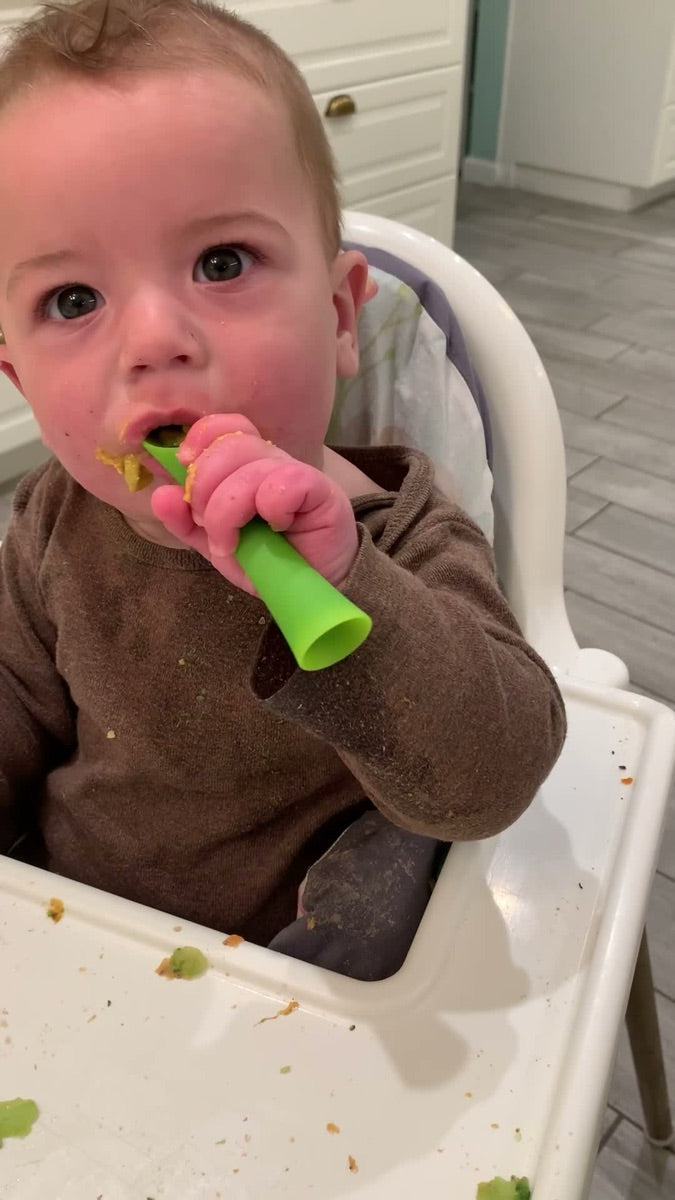
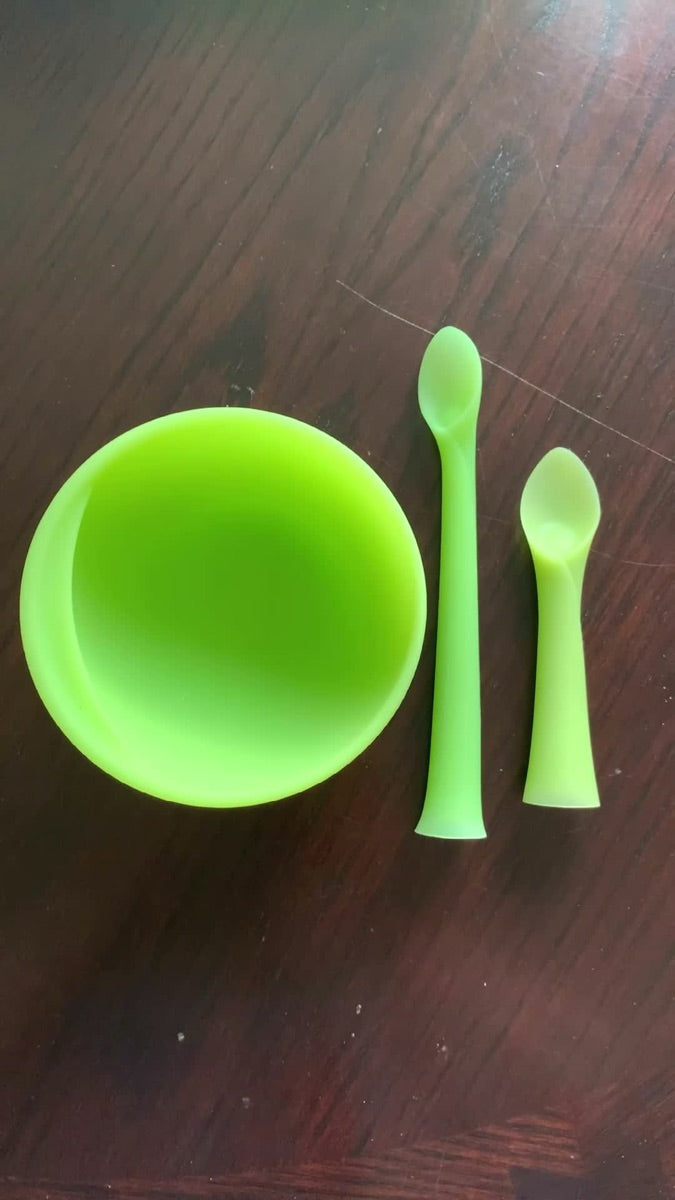
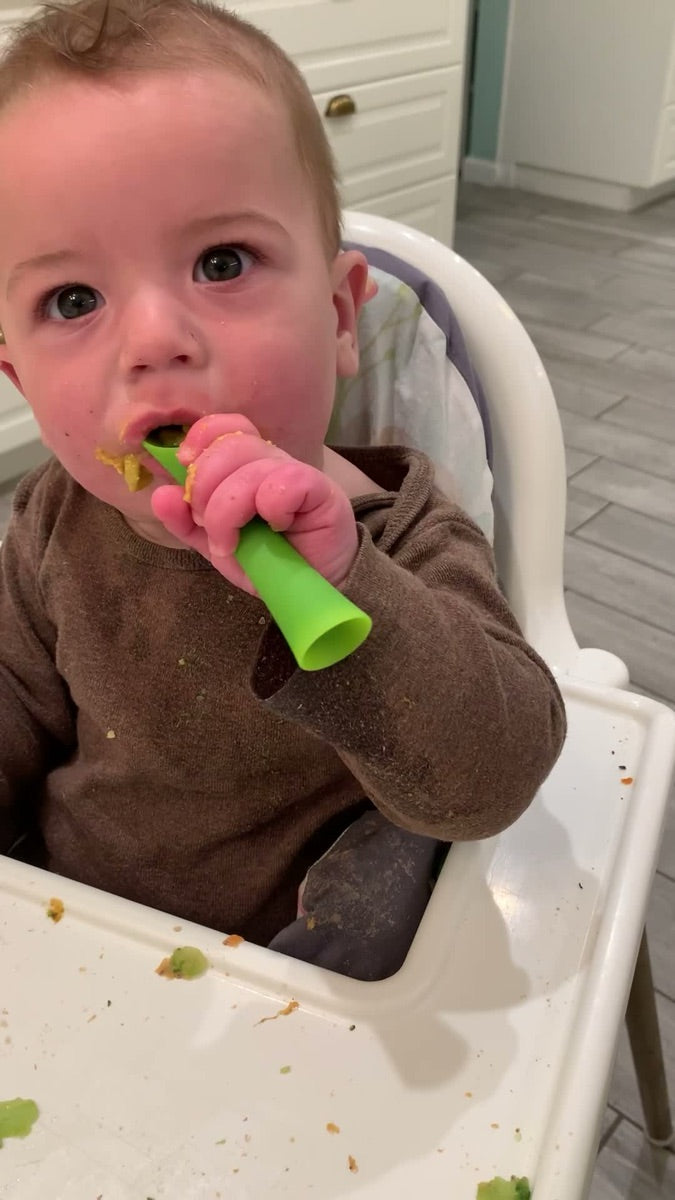
Look for a flexible, shallow-bowl silicone spoon that scoops from any angle — rigid, flat spoons are the biggest reason early self-feeders struggle. Here's what actually matters and why.
Olababy and Mushie both make food-grade silicone feeding gear with different design priorities. Here's a fact-based look at what actually differs — aesthetic, catalog scope, and price — not a one-sided pitch.
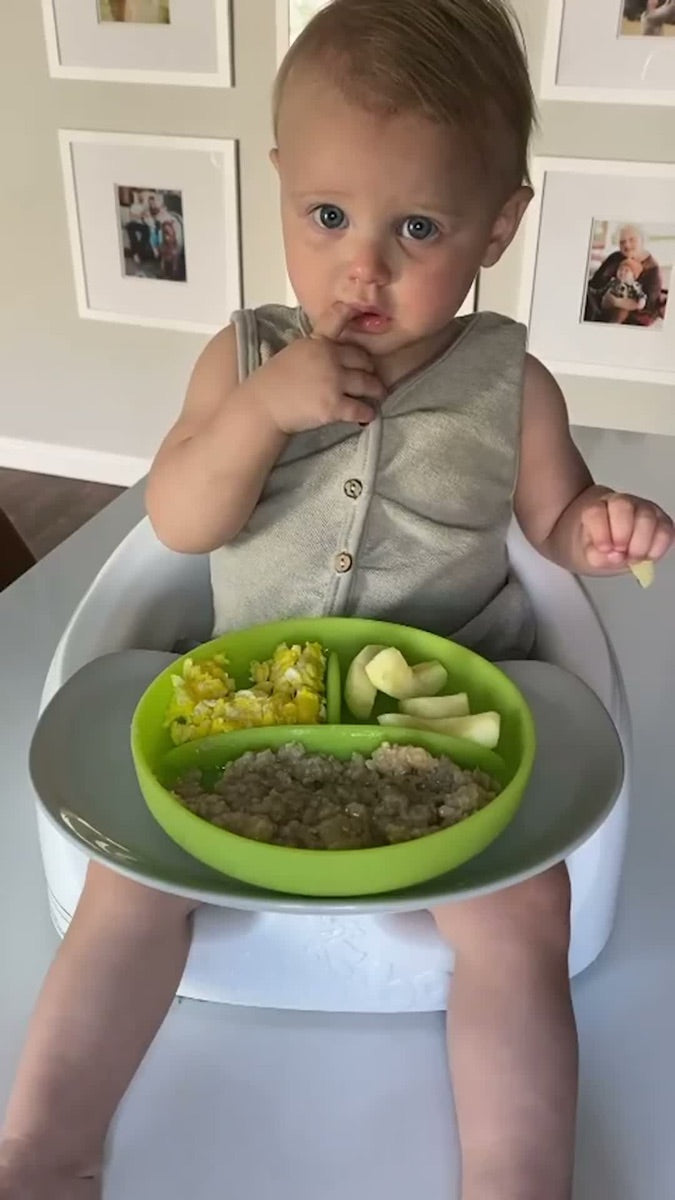
Both Olababy and ezpz make 100% food-grade silicone suction plates for self-feeding. Here's how the two approaches actually differ, with real specs and pricing — not marketing claims.
A simple, specialist-informed routine for starting baby-led weaning around 6 months: readiness signs, first foods, gear that helps, and what a first week looks like.
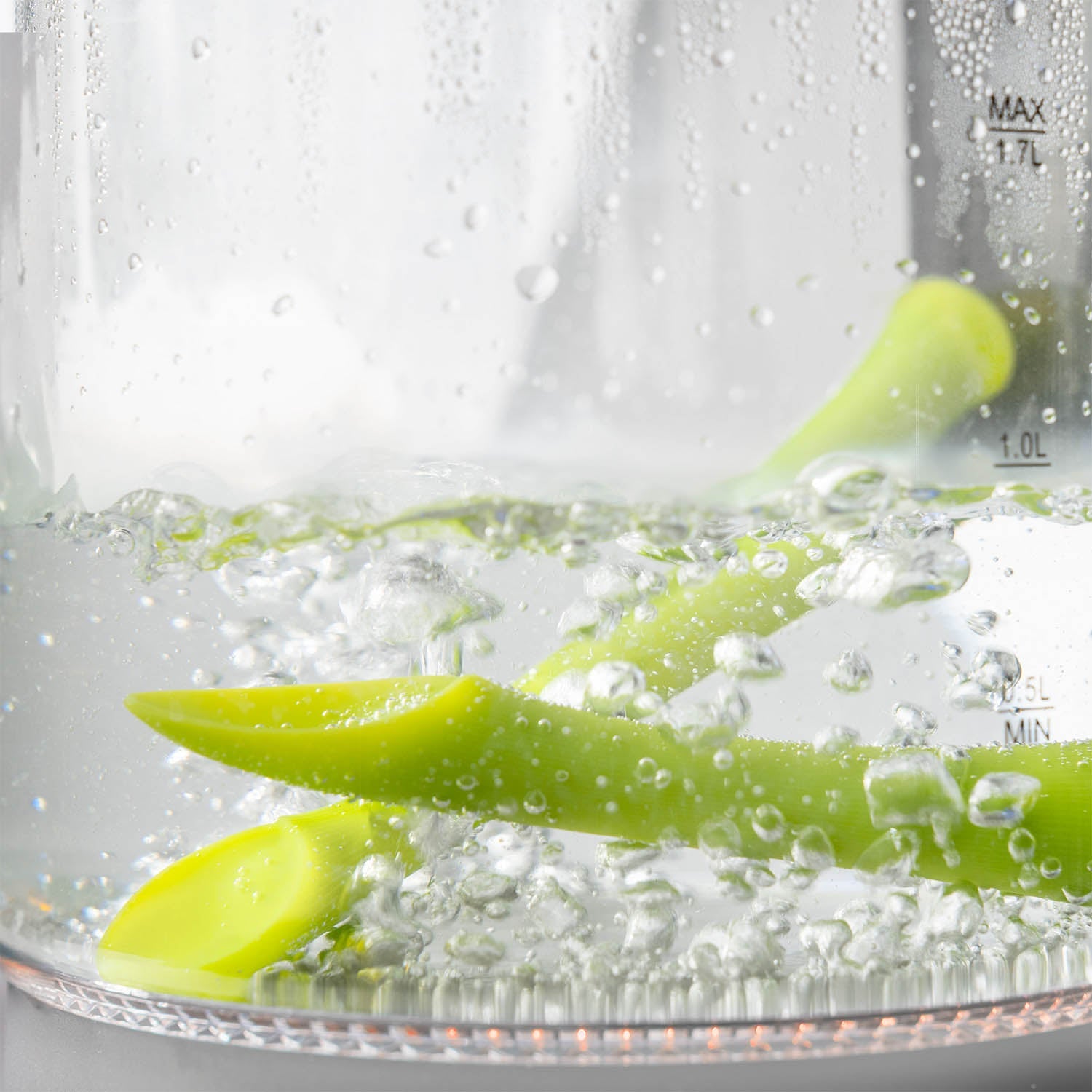
A $9 set and a $20 set look identical online. The difference is fillers, testing, and design. Here's how to check any silicone baby product — including ours.
Yes — and we can prove it with third-party lab reports. Independent lab results for Olababy silicone: BPA not detected, zero phthalates, tested to EN 14350 and CPSIA standards.